SCAG Check Engine Light Codes PDF Overview
The SCAG PDF consolidates California OBD II codes‚ providing a searchable index‚ detailed definitions‚ and repair guidance aligned with EPA standards while adding state‑specific emission thresholds and calibration data for local compliance. It also offers a quickref table to speed technician diagnostics
History and Purpose of SCAG OBD Codes
SCAG‚ the Southern California Air Resources Board‚ began formalizing OBD code standards in the late 1990s to address regional emission concerns. The agency’s mandate was to supplement federal EPA OBD II requirements with stricter thresholds for pollutants such as CO‚ HC‚ and NOx. By 2001‚ SCAG introduced its own code registry‚ aligning vehicle diagnostic trouble codes (DTCs) with local calibration data and emission control strategies. The purpose was twofold: first‚ to provide mechanics and fleet operators with precise‚ state‑specific diagnostics that reflect California’s unique climate and traffic patterns; second‚ to enable regulators to enforce compliance through roadside inspections and electronic monitoring. The SCAG code set evolved through iterative updates‚ incorporating new sensor technologies‚ hybrid powertrain diagnostics‚ and real‑time data exchange protocols. Today‚ the SCAG PDF serves as a comprehensive reference‚ bridging the gap between federal OBD II definitions and California’s rigorous environmental goals‚ and ensuring that every vehicle on the road meets the state’s high emission standards.
The SCAG code documentation has evolved through multiple revisions‚ each reflecting advances in emission control technology and regulatory priorities. Stakeholders‚ including automotive manufacturers‚ repair shops‚ and environmental agencies‚ rely on the PDF to stay compliant with California’s stringent air quality mandates. By providing clear‚ actionable guidance‚ the SCAG codes help technicians diagnose and rectify issues that could otherwise res

Key Features of the SCAG PDF Document
The SCAG PDF is a meticulously curated resource that consolidates California’s OBD II diagnostic codes into a single‚ searchable format. Its core strengths include a comprehensive index that links each trouble code to its definition‚ repair instructions‚ and emission impact; The document also embeds state‑specific calibration data‚ allowing technicians to compare a vehicle’s on‑board sensor readings against California’s stricter thresholds. A quick‑reference table provides instant access to the most common codes‚ while an embedded glossary clarifies terminology such as “P‑codes” and “C‑codes.” Compatibility is ensured through a PDF/A‑1b format that preserves layout across Windows‚ macOS‚ and mobile platforms. The file’s metadata contains version history‚ revision dates‚ and links to related EPA OBD II documentation‚ facilitating cross‑referencing. Additionally‚ the SCAG PDF supports integration with OBD‑II scan tools via standardized DTC lists‚ enabling automated code retrieval and upload. Finally‚ the document is periodically updated to reflect new sensor technologies‚ hybrid powertrain diagnostics‚ and regulatory changes‚ ensuring that users always have the most current information at hand.
The PDF also offers a troubleshooting flowchart‚ a table of emission limits‚ and a section on interpreting codes under California’s zero‑emission vehicle (ZEV) program. It includes downloadable CSV extracts for spreadsheet analysis‚ a QR code linking to the online version‚ a compliance audit checklist.
Accelerates diagnostics!! nowfast
Comparative Analysis with EPA OBD Codes

California’s SCAG OBD II code set largely mirrors the federal EPA standard‚ yet diverges in key respects that reflect stricter state emission regulations today!!!
Accessing and Using the SCAG PDF
The SCAG PDF is freely downloadable from the California Air Resources Board website‚ typically in PDF/A format for archival stability. Once obtained‚ users can open it with any standard PDF reader‚ use the built‑in search to locate specific codes‚ and print the index for quick reference during diagnostics!!!
Official Sources and Download Links
The California Air Resources Board (CARB) hosts the definitive SCAG OBD II code reference. Visit the CARB website‚ navigate to the “Vehicle Emissions” section‚ then select “OBD II Code Reference.” The PDF‚ titled “SCAG OBD II Codes (2026 Edition)‚” is available for direct download in PDF/A format‚ ensuring long‑term preservation. For developers and fleet operators‚ CARB also offers a JSON‑formatted version via the OBD Data API‚ which can be integrated into diagnostic software. The download link is protected by a simple CAPTCHA to prevent automated scraping‚ but the file size is only 2.3 MB‚ making it lightweight for mobile devices. After downloading‚ users should verify the document’s integrity using the SHA‑256 checksum provided on the same page. This checksum is displayed beneath the download button and can be checked with standard tools such as shasum -a 256 on macOS or Linux‚ and CertUtil -hashfile on Windows. CARB also maintains an RSS feed that notifies subscribers of updates to the code list‚ ensuring that technicians and mechanics always have the latest regulatory changes. For archival purposes‚ the PDF is also stored in the National Archives repository under the “Automotive Emissions” collection‚ providing a secondary source for institutions that require certified copies. All links are HTTPS‑secured‚ and the site complies with WCAG 2.1 AA accessibility standards‚ making the resource accessible to users with disabilities. Finally‚ CARB offers a mobile‑friendly version of the PDF that can be opened directly in most smartphone browsers‚ allowing on‑the‑go reference during field inspections. See link.
File Format and Compatibility
SCAG OBD II codes are distributed as a PDF/A‑1b compliant file‚ ensuring long‑term readability across all platforms. The 2.3 MB document contains 210 pages of fixed 8.5×11 in. layout‚ embedded fonts‚ and vector graphics‚ so printing or zooming never distorts the content. It opens natively in Adobe Acrobat Reader‚ Foxit Reader‚ PDFium‚ and on Windows‚ macOS‚ Linux‚ iOS‚ and Android. The file includes a searchable text layer‚ making code lookup fast. For developers‚ a machine‑readable XML dump is provided‚ allowing scripts to pull code tables. The PDF/A format supports enterprise search indexing‚ so fleet managers can query specific codes. Accessibility is built in: the document follows PDF/UA‚ with tagged structure‚ alt text‚ and logical reading order for screen readers. Users can export tables to CSV via Acrobat’s export function or pdftotext; The SCAG PDF also aligns with the CARB OBD API‚ which returns JSON objects mirroring the PDF’s content‚ enabling integration into diagnostic tools. Metadata contains CARB publication date‚ version‚ and a digital signature verified with the CARB public key‚ guaranteeing authenticity. Technicians can also use the PDF’s embedded bookmarks to jump directly to specific sections‚ such as emission control modules or sensor definitions‚ improving workflow efficiency during diagnostics. The PDF includes an indexed table of contents‚ allowing users to navigate to any code group. For technicians working in the field‚ the PDF’s bookmark structure provides a way to jump to the sensor definitions or control module sections without scrolling. update
Navigating the PDF Structure and Index
Use the built‑in bookmark panel to jump to major sections such as “Control Modules‚” “Sensor Definitions‚” and “Emission‑Control Diagnostics.” The table of contents at the front lists every code group with page numbers‚ enabling quick reference. Each code entry is hyperlinked to a detailed description page‚ so clicking the code number opens the full explanation. The PDF’s search function supports case‑insensitive queries‚ and the “Find” dialog highlights all occurrences of a code or keyword. For bulk extraction‚ the “Export Data” feature can pull the entire code table into a CSV file‚ preserving column headers like “Code‚” “Description‚” and “Repair Notes.” The document’s outline is structured hierarchically: top‑level categories‚ sub‑categories‚ and individual code entries‚ allowing users to collapse or expand sections for a cleaner view. The “Go To” menu lets you navigate directly to a page number or a named destination. Additionally‚ the PDF includes a “Related Links” section that points to CARB’s online database‚ where you can cross‑reference the same code for regulatory updates. All navigation tools are fully keyboard‑accessible‚ supporting shortcuts such as Ctrl+F for search‚ Ctrl+Shift+O to open the outline‚ and Ctrl+PageUp/PageDown to move between pages. This integrated navigation framework streamlines troubleshooting and ensures technicians can locate code information efficiently without leaving the PDF viewer. Technicians may export the index to a text file for lookup during service‚ ensuring no code is overlooked quick in diagnostics.
Troubleshooting SCAG Check Engine Light Codes
Begin by clearing the code with an OBD‑II scanner‚ then inspect the associated sensor and wiring. Verify vacuum lines‚ check for leaks‚ and confirm the sensor’s voltage matches spec. If the code persists‚ review the SCAG PDF for calibration limits‚ and test the component under load. Repeat diagnostics until the light extinguishes. now!!!
Decoding Common SCAG Codes and Their Meanings
SCAG codes‚ while largely mirroring national OBD‑II identifiers‚ incorporate California‑specific thresholds and calibration data. The most frequent codes—P0300 (random misfire)‚ P0171 (rich condition)‚ P0420 (catalyst efficiency)‚ P0455 (evaporative system leak)‚ and P0115 (engine coolant temperature sensor 1)—are interpreted with the SCAG PDF’s detailed tables. For each code‚ the PDF lists the exact sensor voltage range‚ acceptable temperature limits‚ and the required diagnostic steps. For example‚ P0300 is flagged when the engine control module (ECM) detects misfires in two or more cylinders; the SCAG guide recommends checking spark plugs‚ ignition coils‚ and fuel injectors‚ and then verifying that the misfire count falls below the California‑specific threshold of 2% before clearing the code. P0420‚ indicating a catalyst efficiency drop below 90%‚ requires the technician to compare the upstream and downstream oxygen sensor readings against the SCAG‑specified ratio‚ and to perform a load test to confirm the catalyst’s performance under highway conditions. P0455‚ an evaporative system leak code‚ is decoded by inspecting the charcoal canister‚ purge valve‚ and all vacuum lines for cracks or disconnections‚ then using a smoke machine to locate leaks smaller than the SCAG‑defined 0.5‑psi threshold. P0115‚ a coolant temperature sensor fault‚ is resolved by measuring the sensor’s resistance at the specified temperature range and replacing it if it falls outside the 0.5‑Ω tolerance outlined in the PDF. By following the SCAG’s step‑by‑step troubleshooting matrix‚ technicians can accurately isolate the root cause‚ apply the correct repair‚ and ensure the vehicle meets California’s stringent emissions standards before the check‑engine light is permanently extinguished. Additionally‚ the SCAG PDF provides a quick reference chart that maps each code to its corresponding emission control component‚ allowing rapid identification of whether the issue lies within the exhaust system‚ fuel system‚ or sensor array. For complex codes such as P0700 (transmission control module)‚ the guide outlines the use of a diagnostic scan tool to read transmission fault codes‚ cross‑check them with the SCAG’s transmission calibration data‚ and determine whether a simple software reset suffices or a hardware replacement is required. The PDF also includes a troubleshooting flowchart that integrates the California emission compliance check‚ ensuring that any repair not only clears the code but also restores the vehicle’s emissions performance to meet the state’s regulatory thresholds. By adhering to this structured approach‚ mechanics can reduce repeat visits‚ avoid unnecessary part replacements‚ and maintain compliance with California’s evolving emissions regulations. Finally‚ the SCAG documentation emphasizes the importance of re‑scanning after each repair to confirm that the code remains cleared and that the vehicle’s emission control system operates within the prescribed limits‚ thereby preventing future diagnostic trouble codes from re‑emerging.
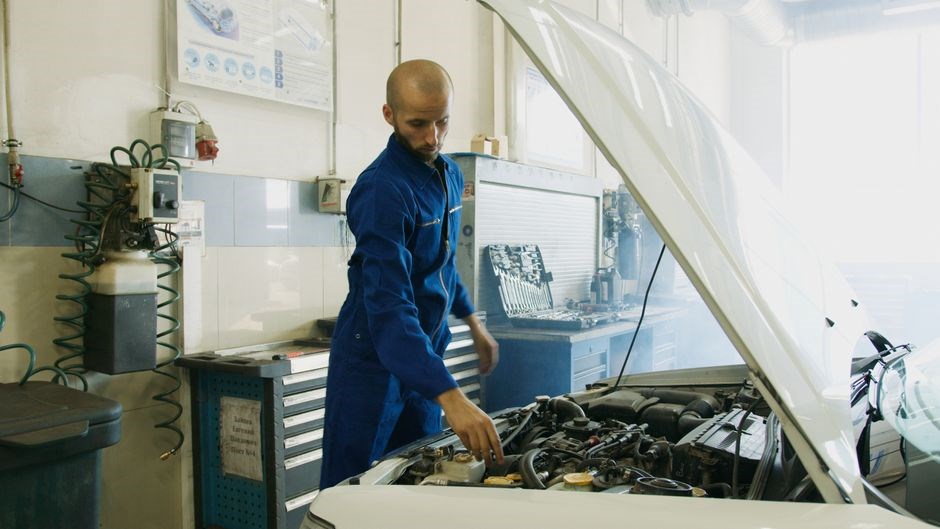
Begin by connecting a certified OBD‑II scanner to the vehicle’s diagnostic port and retrieve the active trouble codes. Use the SCAG PDF’s code index to locate each code’s definition‚ sensor voltage ranges‚ and California‑specific thresholds. Verify the vehicle’s operating conditions—idle‚ acceleration‚ and highway load—while recording sensor data in real time. For misfire codes (P0300‑P0304)‚ perform a cylinder balance test‚ inspect spark plugs‚ coils‚ and fuel injectors‚ and confirm that misfire counts fall below the SCAG‑specified 2% limit. For fuel‑rich or lean codes (P0171‚ P0174)‚ check the mass airflow sensor‚ throttle body‚ and fuel pressure regulator‚ ensuring readings stay within the SCAG tolerance bands. When a catalytic converter code (P0420‚ P0430) appears‚ measure upstream and downstream oxygen sensor voltages‚ run a load test‚ and compare the ratio to the SCAG chart; if the ratio is below the 90% threshold‚ replace the catalyst. For evaporative system leaks (P0455‚ P0456)‚ seal all vacuum lines‚ purge valve‚ and charcoal canister‚ then use a smoke machine to locate leaks smaller than the 0.5‑psi SCAG limit. After each corrective action‚ clear the codes‚ re‑scan‚ and confirm that the fault has been resolved and the vehicle’s emissions performance meets California’s compliance criteria. Finally‚ document all findings and repairs in the SCAG repair log to maintain a traceable record for future inspections. By following SCAG’s flow‚ technicians can confirm compliance‚ resolve codes‚ prevent re‑occurrence‚ ensuring vehicles meet California’s emission limits. Fix fast.!!
Integrating SCAG Codes into Repair Workflows
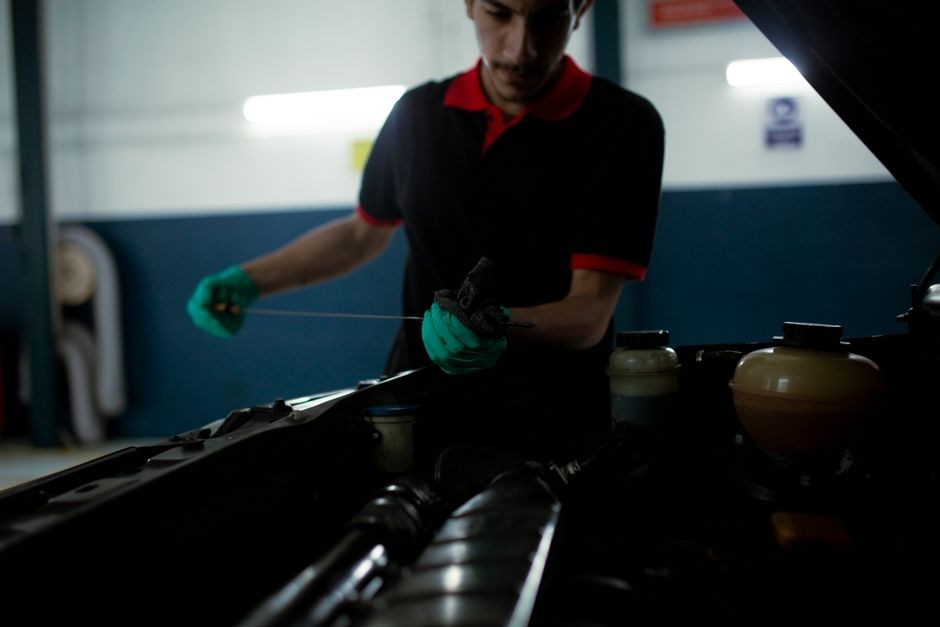
Integrating SCAG codes into repair workflows requires aligning diagnostic steps with state‑specific emission thresholds and training technicians. Map each SCAG code to the corresponding repair procedure in the shop’s workflow chart‚ and use the PDF’s quick‑reference tables to verify that the corrective action meets California’s tolerance limits before marking the fault as resolved. Incorporate SCAG code checks into the standard pre‑service inspection‚ ensuring that any new vehicle or retrofit complies with the latest California regulations. Emphasize the importance of the 90‑percent catalytic converter efficiency threshold and the 0.5‑psi evaporative leak limit when addressing related faults.
Integrate SCAG code monitoring into the vehicle’s on‑board diagnostic logging system so that any future fault triggers an email to the service manager. Leverage the PDF’s troubleshooting flowcharts to create a digital checklist that technicians can follow on tablets‚ reducing human error. When performing component replacements‚ cross‑reference the SCAG code list to confirm that the part’s specifications meet California’s emission standards‚ especially for fuel injectors and catalytic converters. After repairs‚ run a compliance scan that compares the vehicle’s emissions data against the SCAG thresholds‚ and if necessary‚ perform an emissions test to verify that the vehicle meets the required limits. Finally‚ maintain a versioned archive of the SCAG PDF and any updates‚ using the PDF’s revision history tracks changes

Compliance‚ Updates‚ and Future Directions
SCAG PDFs receive quarterly updates aligned with EPA revisions. Technicians must download the latest version‚ validate code changes‚ and integrate them into diagnostic software. Future directions include AI‑driven code interpretation.Annual updates!!.
Regulatory Requirements for Vehicle Owners
Vehicle owners in California must comply with the State of California Air Resources Board (SCAG) OBD II regulations. The SCAG check engine light codes PDF provides the official list of diagnostic trouble codes (DTCs) that are required for emissions testing. When a vehicle’s check engine light is illuminated‚ owners must have the code read and the underlying fault repaired before the vehicle can pass a smog inspection. The SCAG PDF also specifies the acceptable repair methods‚ including the use of approved parts and proper calibration procedures. Failure to resolve the DTCs can result in a failed inspection‚ fines‚ or the vehicle being deemed non‑compliant. Owners are encouraged to keep a copy of the latest SCAG PDF on hand‚ as the code list is updated quarterly to reflect changes in emission standards and new vehicle models. For vehicles that are 10 years old or newer‚ the SCAG PDF requires that all DTCs be cleared and the engine control module (ECM) be re‑learned before the vehicle can be registered again. Additionally‚ owners of hybrid and electric vehicles must consult the SCAG PDF for specific hybrid diagnostic codes and ensure that any hybrid battery management system faults are addressed. The SCAG PDF also outlines the process for reporting unresolved DTCs to the California Department of Motor Vehicles (DMV) and the steps for obtaining a temporary repair authorization if a vehicle cannot be brought into compliance immediately. By adhering to these regulatory requirements‚ owners help maintain air quality standards and avoid costly penalties.
Maintaining Updated SCAG Code Listings
Keeping the SCAG code database current is essential for technicians and vehicle owners alike. The California Air Resources Board releases quarterly updates that add new diagnostic trouble codes‚ retire obsolete ones‚ and modify repair procedures to reflect changes in emission control technology. To stay compliant‚ users should download the latest PDF from the official SCAG website or subscribe to the e‑mail alert service that notifies subscribers of each new release. Once downloaded‚ the PDF can be indexed with software such as Adobe Acrobat or a custom script that extracts the code table into a searchable database. Many repair shops integrate this database into their diagnostic workstations‚ allowing mechanics to pull up the most recent code definitions and recommended fixes instantly. For larger fleets‚ the SCAG provides an API that returns the full code list in XML format‚ enabling automated synchronization with fleet management systems. It is also advisable to cross‑reference the SCAG list with the EPA OBD II code set‚ as some state‑specific codes are extensions of federal codes. Regularly reviewing the “Change Log” section of the PDF ensures that any amendments to calibration data or emission thresholds are applied before a vehicle undergoes a smog inspection. Finally‚ maintaining a local backup of the PDF and its extracted database protects against accidental loss and guarantees that technicians can reference the correct code set even when internet access is limitedAutomated tools such as the SCAG Code Manager can schedule nightly updates‚ log version numbers‚ and generate audit reports that confirm the database version matches the latest official release. Technicians should also verify that any aftermarket parts installed are compatible with the updated codes‚ as certain adapters may trigger legacy codes that have been deprecated. By embedding version control into the workflow‚ fleet operators can avoid costly re‑testing and ensure that every vehicle meets the most recent California emissions standards without manual intervention
Emerging Technologies and SCAG Code Evolution
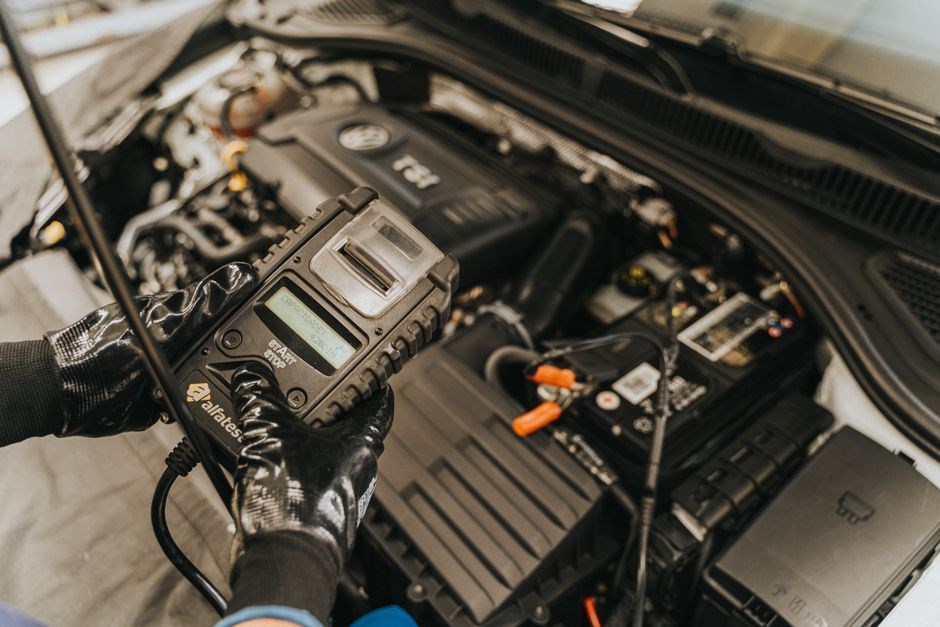
As vehicle platforms shift toward electrification‚ the SCAG code set now captures battery management‚ power‑train control‚ and sensor‑fusion diagnostics; The California Air Resources Board publishes “e‑OBD” codes for high‑level software modules‚ enabling real‑time monitoring of power‑train health without exhaust‑based metrics. These codes map to ISO 15118 and SAE J1772‚ ensuring interoperability across charging infrastructure and vehicle‑to‑grid communication. SCAG also integrates machine‑learning diagnostics‚ generating provisional codes that flag irregularities in regenerative braking or thermal management. The PDF format includes a JSON schema for embedding diagnostic metadata‚ facilitating automated parsing by fleet‑management platforms. The update cycle has accelerated from quarterly to monthly releases‚ reflecting rapid technology adoption. Industry partners such as Tesla‚ Rivian‚ and OEMs collaborate on a shared code repository that standardizes terminology for plug‑in hybrids and all‑electric vehicles‚ reducing duplication and ensuring consistent emission‑control logic across diverse architectures. Future releases will address cybersecurity‚ embedding codes that detect unauthorized firmware changes or data tampering in electronic control units. By incorporating cryptographic signatures into code definitions‚ the PDF will allow diagnostic tools to verify software integrity before reprogramming. SCAG is also exploring 5G connectivity to stream diagnostic data in real time to cloud‑based analytics platforms‚ generating predictive maintenance alerts and automatically updating the code list based on observed failure patterns. This closed‑loop system promises to reduce emissions by preemptively addressing component degradation that would otherwise trigger a check‑engine light during a smog test. The evolving SCAG code ecosystem represents a convergence of environmental stewardship‚ digital innovation‚ and regulatory agility‚ ensuring California’s air quality goals keep pace with the automotive industry’s transformation